


A Guide to Food Premises Pest Prevention

A mouse sighting beside a dry-store shelf, flies around a bin area or a damaged bag of flour can quickly become more than an operational nuisance. This guide to food premises prevention sets out the practical measures that help food businesses prevent pest activity before it threatens hygiene, stock, inspections or customer confidence.
Food premises are naturally attractive to pests. They offer warmth, shelter, food and water, often with delivery doors opening throughout the day. The aim is not simply to deal with pests when they appear. It is to remove the conditions that allow them to settle, feed and breed in the first place.
Why prevention matters in food premises
Whether you run a café, restaurant, school kitchen, bakery, convenience shop, warehouse or food-production site, pests can create serious consequences. Rodents may contaminate food and packaging, gnaw electrical cables and damage insulation. Flies, cockroaches and stored-product insects can spread contamination through food-preparation and storage areas. Birds around loading bays and external seating can create mess, slip risks and damage to buildings.
A one-off treatment may remove immediate activity, but treatment alone is rarely enough. If gaps remain around pipework, bins are poorly managed or stock is left accessible, the problem can return. Prevention protects your premises between visits and gives your team a clear standard to maintain every day.
It also supports the wider food-safety systems already in place. Pest management should sit alongside cleaning schedules, waste procedures, stock rotation and site maintenance, rather than being treated as a separate task once something goes wrong.
Start with a site-specific risk assessment
No two food premises have the same risks. A high-street takeaway may need close attention around rear doors, drains and waste collections, while a warehouse may be more exposed at loading bays and along external walls. Older buildings can have hidden voids, redundant pipe runs and worn brickwork that create easy pest access.
Walk the whole site regularly, including places customers never see. Check kitchens, dry stores, staff areas, false ceilings, plant rooms, bin compounds, delivery entrances and the outside perimeter. Look for droppings, gnaw marks, smear marks, insect activity, damaged stock, bird fouling and unusual odours. Record findings promptly so recurring patterns are not missed.
The most useful inspections focus on three questions: where can pests get in, what are they finding to eat or drink, and where can they hide? Answering those questions gives you a prevention plan that is practical for your building, not a generic tick-box exercise.
Know the common pressure points
Rodents often enter through gaps beneath doors, damaged air bricks, broken drains and holes around service pipes. Mice can fit through very small gaps, so an opening that looks minor can still be enough. Rats are particularly drawn to poorly secured waste, drainage faults and overgrown areas close to the building.
Flying insects are often linked to open doors, food debris, standing water and poorly managed waste. Cockroaches favour warm, humid, sheltered areas, including beneath equipment, around drains and inside service voids. Stored-product pests may arrive in deliveries or develop where dry goods are kept too long in damaged packaging.
Make proofing part of everyday maintenance
Proofing is one of the strongest long-term controls in a food setting. It reduces reliance on reactive treatments and makes monitoring more meaningful because pest activity is less likely to be caused by a straightforward entry point.
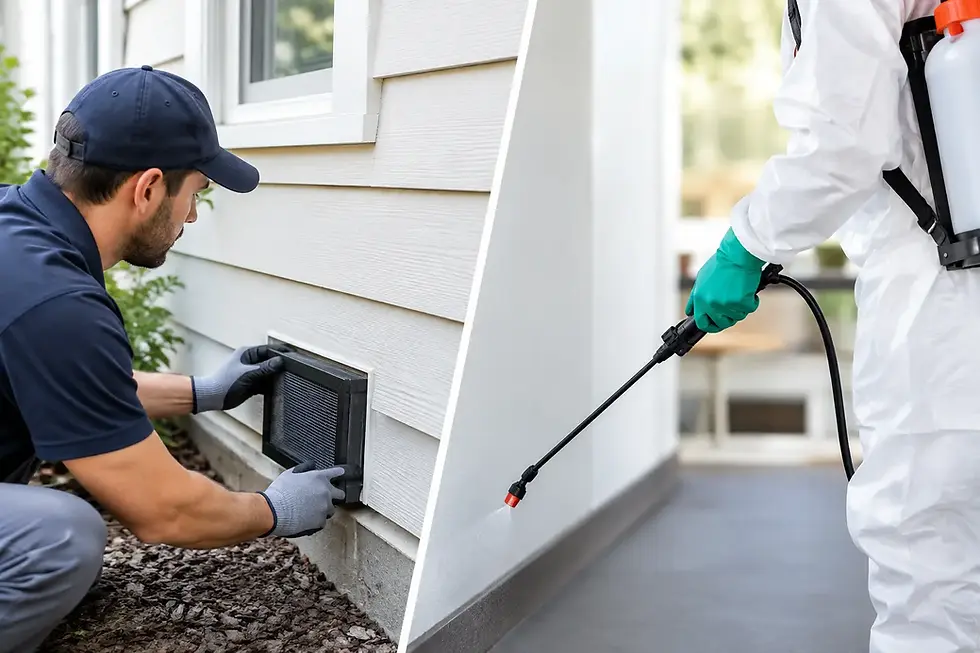
Fit suitable door brushes or seals where daylight can be seen beneath external doors. Repair damaged mesh on vents and windows, and use fine, durable materials to seal holes around pipes, cables and utility routes. Keep air bricks protected without blocking ventilation, and repair cracks in walls, floors and external cladding.
Pay particular attention to delivery doors and roller shutters. These are necessary for business, but they can become a regular route for pests if they are left open when not in use. Where operations allow, keep doors shut between deliveries and make sure staff report damaged seals straight away.
Proofing needs care in food environments. Blocking a gap without understanding what is behind it can trap pests inside a void or interfere with ventilation and services. A professional survey can identify the right materials and sequence of work, especially in older properties or larger commercial sites.
Control food, water and waste
Good housekeeping is not about making a kitchen look tidy for inspection day. It is about making the site less rewarding for pests every shift.
Store ingredients in sound, sealed containers where appropriate, particularly flour, grains, sugar, pet food and dry goods. Keep stock off the floor and away from walls where possible, allowing staff to clean and inspect behind it. Follow stock rotation carefully and deal with split bags, leaking containers and damaged packaging as soon as they are found.
Cleaning should reach beneath appliances, behind fridges, around floor edges and into less visible corners. Small food deposits can sustain insects for longer than many people expect. Do not overlook staff food, vending areas and lockers, as these can attract pests away from the main kitchen.
Waste needs the same level of control. Internal bins should be emptied regularly, cleaned and fitted with close-fitting lids. External bins should be kept closed, positioned away from doors where possible and placed on a clean, well-maintained surface. Cardboard, pallets and clutter around bin areas provide shelter, so keep these spaces clear and make sure collections are frequent enough for your volume of waste.
Water sources matter too. Repair dripping taps, leaks beneath sinks and faults around dishwashers or refrigeration units. Clear blocked drains and prevent standing water around external areas. Without reliable food or water, most pests are far less likely to establish themselves.
Build pest checks into staff routines
The people opening, cleaning, preparing food and closing the premises are your first line of defence. They do not need to be pest-control specialists, but they should know what to spot and what to do next.
Train staff to report signs early rather than trying to handle a suspected infestation quietly. A single mouse dropping, a cluster of flies or a torn food bag may be the first visible sign of a wider issue. Early reporting gives you more options and can prevent disruption to service.
Keep simple records of sightings, actions taken, damaged stock and maintenance issues. This helps managers identify patterns, such as repeated fly activity near one drain or rodent signs around a particular delivery point. It also demonstrates that concerns have been taken seriously and acted upon.
Avoid using shop-bought pesticides as a quick fix in food areas. Incorrect products, poor placement or incomplete treatment can create safety risks and may drive pests further into inaccessible parts of the building. The right response depends on the pest, the scale of activity and the layout of the premises.
Use monitoring to catch activity early
Monitoring is a key part of integrated pest management. It gives a clear picture of whether prevention measures are working and allows activity to be addressed before it becomes an infestation.
A professional pest-management programme may include carefully positioned monitoring points, insect monitors and scheduled inspections. Their locations should be based on the risks on site, not placed randomly. Results should then be reviewed over time, alongside cleaning, maintenance and waste-management records.
For some premises, regular visits are appropriate throughout the year. Others may need increased attention during warmer months, after building works, when neighbouring properties change use or when delivery volumes rise. The right frequency depends on your food operation, location and history of pest activity.
When to call a professional
Call for professional support as soon as there is evidence of rodents, cockroaches, bed bugs in staff accommodation, persistent flies, bird fouling or recurring signs that housekeeping alone has not resolved. A qualified technician can identify the species, find likely entry routes and recommend treatment and proofing that suit a food environment.
At FULL GUARD Pest Control, our approach combines treatment with preventative proofing and practical advice, so the focus is on stopping repeat problems rather than only removing what is visible. Clear reporting and a planned programme can also help site managers keep control of responsibilities across busy teams.
A well-run food premises should not wait for a complaint, failed audit or obvious infestation to act. Keep the site clean, sealed, monitored and well maintained, and ask for help at the first sign of activity. That is the most reliable way to protect the food you serve, the people who visit and the reputation you have worked hard to build.


Comments