
Integrated Pest Management Services That Last

A rat in the loft, moth damage in a stockroom or wasps gathering around a doorway rarely starts as a major problem. It becomes one when the cause is left untouched. Integrated pest management services deal with the pest you can see, then focus on the access points, food sources and shelter that could bring it back.
For homes, rented properties, commercial premises and industrial sites, that difference matters. A quick treatment may reduce activity for a while. A properly planned pest management approach helps protect the building, the people using it and the reputation of the person responsible for it.
What are integrated pest management services?
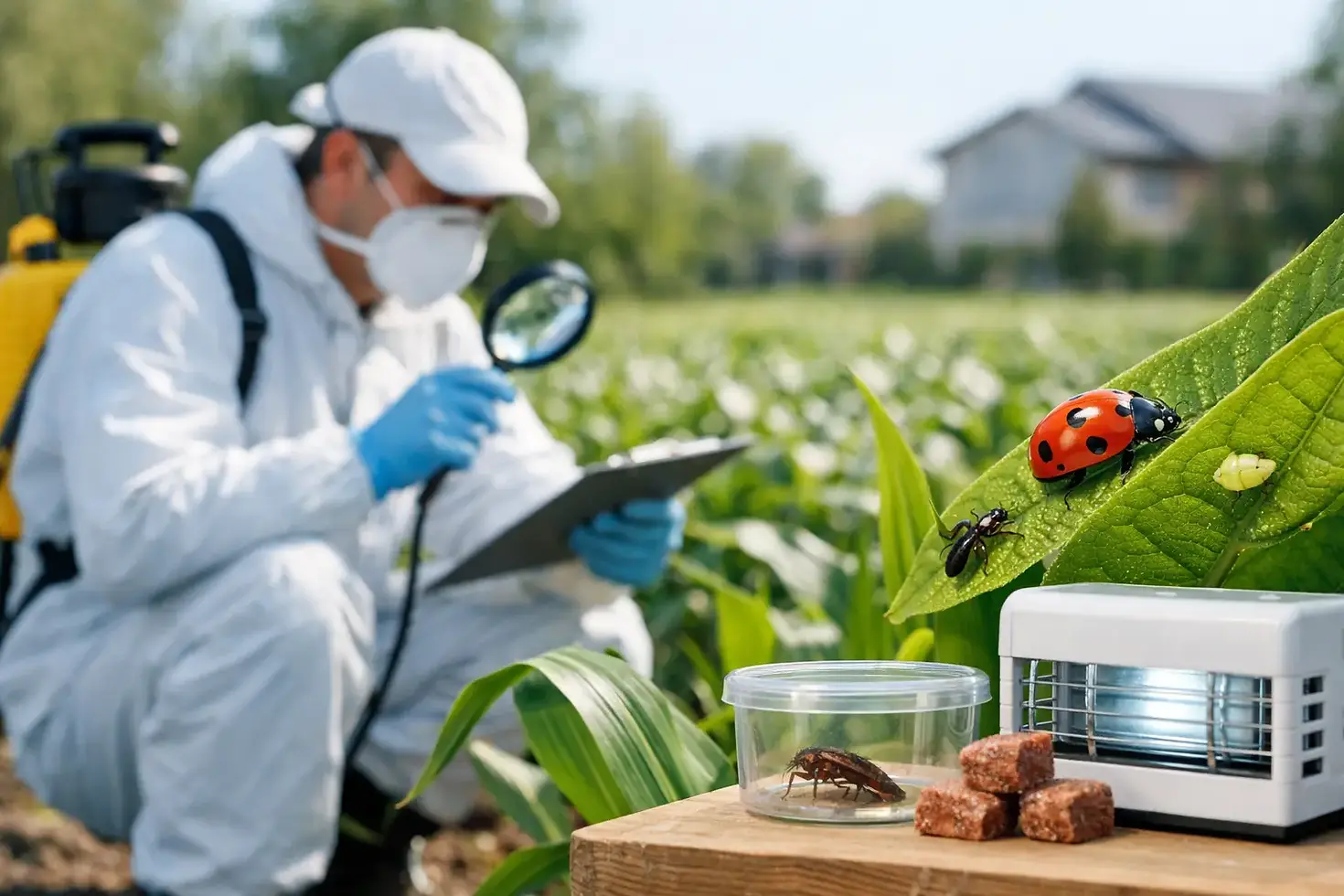
Integrated pest management, often called IPM, is a practical method of controlling pests with prevention at its centre. It combines inspection, accurate pest identification, targeted treatment, monitoring and proofing. Rather than relying on a single product or repeated call-outs, the technician looks at why the pest has chosen the property in the first place.
That may mean locating a gap beneath a kitchen unit where mice are entering, identifying overflowing bins that are attracting flies, or finding damaged roofline mesh that allows pigeons to roost. Treatment still has an important place, especially where there is an active infestation or a health risk. But it is used as part of a wider plan, not as the whole plan.
The right approach depends on the pest, property and level of activity. Bed bugs in a bedroom, for example, need a very different response from rats around a commercial waste area. A family home with young children, a food business and a warehouse all have different risks and operating requirements. Good IPM is never one-size-fits-all.
Why one-off pest treatment can fall short
DIY traps, shop-bought sprays and even a single professional treatment can be useful in the right circumstances. If an ant trail has appeared briefly during hot weather, a targeted response may be all that is needed. The problem is that a visible pest is often only one part of a larger issue.
Rodents can use surprisingly small gaps around pipes, air bricks, doors and damaged brickwork. If those entry points remain open, removing the current rodents does not stop new ones moving in. The same applies to cockroaches, fleas, moths and flies where warmth, moisture, food debris or undisturbed areas remain available.
For landlords and property managers, recurring activity can lead to tenant complaints, damage and difficult conversations about responsibility. For businesses, the stakes may include failed inspections, contaminated stock, staff concerns and loss of customer confidence. Prevention is usually more cost-effective than repeatedly reacting to the same issue.
The five parts of an effective IPM plan
1. Inspection and correct identification
The first visit should not begin with guesswork. A qualified technician assesses the affected area, looks for signs of activity and identifies the pest involved. Droppings, gnaw marks, tracks, nesting material, insect skins and property damage all help build an accurate picture.
Correct identification matters because pests behave differently. House mice, rats and squirrels each need different proofing considerations. Clothes moths and pantry moths have different sources and treatment needs. Treating the wrong pest wastes time and can allow the actual infestation to spread.
2. Finding the source and level of risk
Once the pest is identified, the next question is why it is there. A garden may be encouraging rabbits or moles. A leaking pipe may provide water for rodents or cockroaches. Poorly stored food, bird feeding, cluttered voids or unsealed waste can all create ideal conditions.
The technician should also consider the risk level. A single wasp nest away from regular activity may be less urgent than rodents in a kitchen, bed bugs in a rental property or pigeons fouling a public entrance. This helps set the right treatment priority and follow-up schedule.
3. Targeted treatment where it is needed
Treatment is selected for the situation, with safety and effectiveness in mind. Depending on the pest, this may involve trapping, baiting, insecticidal treatment, heat treatment, removal work or deterrent measures. The aim is to deal with active activity promptly while avoiding unnecessary treatment across the whole property.
For instance, heat treatment can be highly effective for bed bugs when it is correctly planned and carried out. Rodent control may require strategically placed control measures alongside close monitoring. Pigeon control may involve clearing a site and installing suitable deterrence or exclusion after assessing the building.
A professional will explain what is being used, what you need to do before or after treatment and when it is safe to use the area normally. Clear advice is particularly important in homes with children, pets or vulnerable residents, and in businesses that cannot easily pause operations.
4. Proofing the property against return visits
Proofing is where integrated pest management services deliver lasting value. This work makes it harder for pests to enter, nest or feed within the property. It may include sealing holes around service pipes, fitting door brushes, repairing damaged vents, protecting air bricks, closing gaps in rooflines or improving access to bin areas.
The best proofing solution is practical for the building. Sealing every possible opening is not always sensible, especially where ventilation is needed. A technician should recommend materials and methods that address the pest risk without creating moisture, safety or maintenance problems elsewhere.
External areas also matter. Overgrown vegetation against walls, stacked materials, open compost, fallen fruit and unsecured refuse can all provide shelter or food. In many cases, small changes to storage and housekeeping make a noticeable difference.
5. Monitoring and ongoing protection
Some pest problems need more than one visit. This is common in commercial settings, multi-occupancy properties, rodent infestations and cases where pests have had time to establish themselves. Monitoring allows the technician to check whether activity has reduced, identify new pressure points and adjust the plan if needed.
For businesses, documented visits and practical recommendations can support site standards and help managers show that pest risks are being actively controlled. For homeowners, a follow-up provides reassurance that the issue has been properly dealt with rather than simply pushed out of sight.
When should you call a professional?
Act early if you hear scratching in walls or loft spaces, find droppings, notice chewed cables or packaging, see insects repeatedly in the same area, or spot birds nesting on a building. Waiting can turn a manageable issue into a larger treatment and repair job.
You should also seek professional help where a pest could affect hygiene, safety or wellbeing. Rats and mice can damage wiring and contaminate areas where food is prepared. Bed bugs can spread quickly between rooms and properties. Wasps near doors, schools or busy gardens can create a real sting risk. A trained technician can assess the situation without alarming guesswork and advise on the safest next step.
FULL GUARD Pest Control provides a local, family-run service built around treatment, prevention and property proofing. With BPCA-standard trained technicians and support for domestic, commercial and industrial customers across Reading, Berkshire, Slough and Buckinghamshire, the focus is on getting the problem sorted and reducing the chance of it returning.
What you can do before a visit
You do not need to solve the infestation before asking for help. In fact, moving nests, handling bait or blocking a suspected entry hole too early can sometimes make an inspection harder. But a few details will help the assessment.
Make a note of where and when you have seen activity, including any sounds, damage or droppings. If safe to do so, take a clear photograph. Avoid using multiple sprays or poisons before the inspection, particularly around pets and children, as this can mask activity and create avoidable risks.
For commercial sites, tell the technician about access restrictions, food-handling areas, shift patterns and any previous pest records. This allows treatment and monitoring to be planned with minimal disruption.
A pest-free property is not about applying the strongest treatment. It is about understanding what is happening, acting quickly and closing the conditions that allowed it to happen. If something is moving, nesting or feeding where it should not be, getting a professional assessment early gives you the best chance of stopping it at the source.


Comments