


Locating Wasp Nests Safely Around Your Property

A steady stream of wasps disappearing through one small gap in your soffit, shed or roofline is rarely a coincidence. Locating wasp nests early can prevent an uncomfortable situation from becoming a genuine safety concern, particularly around family homes, gardens, rental properties and busy workplaces. The aim is not to get close to the nest or prove its exact size. It is to spot the activity, keep people away from the area and arrange the right treatment where it is needed.
Wasps are most noticeable from late spring through to early autumn, with activity often building quickly during the warmer months. A small nest in June can become a large, active colony later in summer. While a nest at the far end of a large garden may cause little trouble, one beside a front door, loft hatch, play area, loading bay or outdoor seating area needs a more careful response.
Why finding the nest matters
Wasps do not normally seek confrontation, but they will defend their nest if they believe it is under threat. Vibrations, attempts to block an entrance, mowing close to a ground nest or knocking a nest from a shed can provoke multiple stings. This is especially concerning for anyone with a known sting allergy, young children, pets and people who need to use the affected part of the property every day.
Knowing the likely nest location also helps avoid ineffective DIY measures. Spraying individual wasps, putting up a decoy nest or sealing an entrance while wasps are still active may reduce what you see temporarily, but it does not reliably deal with the colony. In some cases, blocking the original route encourages wasps to find another way into a loft, wall void or occupied room.
For landlords, facilities managers and business owners, a visible wasp problem can also affect customer confidence, staff safety and routine operations. Prompt identification supports a more controlled treatment and reduces disruption.
Signs that point to a wasp nest
The clearest sign is repeated flight activity along the same route. Watch from a safe distance for a few minutes. Wasps travelling directly into and out of one opening, rather than wandering around flowers or bins, are likely using it as a nest entrance.
Common signs include wasps entering gaps around fascia boards, air bricks, eaves, cladding, broken mortar or pipework. You may also see them using a loft vent, an open window frame, a crack around a garage door or a hole in the ground. On sunny days, activity can be more obvious on the warmer side of a building, although nests can be built almost anywhere that offers shelter.
A faint scratching or buzzing sound inside a ceiling, wall or loft can be another clue. Do not put your ear directly against the surface or start removing boards to investigate. The sound may come from a nest in a void, and disturbing the surrounding material can quickly agitate the colony.
It helps to distinguish wasps from bees before any treatment is considered. Honey bees tend to look rounder and hairier, and they may gather around flowers in a more purposeful, less aggressive pattern. Bumblebees are larger and noticeably furry. Wasps have smoother bodies, narrower waists and bright yellow-and-black markings. If you are unsure, a qualified technician can identify the insect and advise on the most appropriate next step.
Common places wasps build nests
Rooflines, lofts and wall voids
Many domestic wasp nests are concealed within the fabric of a property. Lofts, eaves, soffits, cavity walls, under roof tiles and behind cladding offer dry, protected spaces that are difficult to inspect from ground level. The nest itself is often made from a grey, paper-like material created from chewed wood fibres, but you may never see it. The entrance hole and flight path are more useful indicators.
Do not climb a ladder to look into eaves or attempt to lift roof tiles. Aside from the risk of stings, working at height while trying to avoid flying insects is unsafe. A technician can assess access and select a treatment approach that reaches the nest without unnecessary damage to the property.
Sheds, garages and garden structures
Sheds, garages, pergolas, compost areas, bird boxes and children's play equipment are frequent nesting sites. Wasps favour quiet corners, rafters, roof spaces and sheltered gaps that are not disturbed regularly. A nest in a rarely used shed may be manageable by simply keeping the space closed off until professional help arrives. A nest in a garden building used for tools, storage or entertaining is more likely to need prompt attention.
Take particular care before opening an unused shed in summer. Pause outside first and watch for a flight path around the door frame, roof edge or vent. If wasps are active, close the door gently and keep others away.
Ground holes and dense planting
Some wasp species nest underground, often using old rodent burrows, gaps beneath paving, compost heaps or spaces under roots and thick vegetation. You may notice wasps repeatedly entering a small hole in a lawn, bank or flower bed. Ground nests are easy to disturb accidentally while gardening, mowing or allowing dogs to investigate.
Mark the area from a distance if it can be done without approaching, then avoid using machinery nearby. Do not pour water, petrol or other household chemicals into the hole. These methods are hazardous, can damage the garden and may cause the wasps to emerge in large numbers.
Commercial and industrial premises
At commercial sites, nests are often found around service yards, roller shutters, roof voids, external plant equipment, storage areas, waste compounds and loading bays. The problem may first be reported by staff or visitors rather than seen by a manager. Record the location, time of day and direction of wasp traffic, then restrict access if the route passes through a work area.
This information helps a pest controller assess urgency and plan a treatment that fits around site activity. For food premises, care settings, warehouses and customer-facing businesses, controlling access quickly is often as important as the treatment itself.
A safe approach to locating wasp nests
You do not need to follow wasps right up to the entrance. Stand well back, preferably indoors or at a safe distance, and observe their travel pattern. Keep windows near the suspected entrance closed where practical, and ask children, visitors and pets to avoid the area.
Avoid swatting at wasps or using aerosol sprays near an active entrance. Do not block holes with sealant, foam, cloth or tape while wasps are still coming and going. The colony may redirect into the building, leaving you with wasps indoors and the nest still inaccessible.
If you can safely do so, make a simple note of the suspected location and whether activity is light, regular or heavy. A photo taken from a distance can sometimes help, but never place yourself in the flight path to get one. This gives the pest technician a useful starting point without exposing you to risk.
When to call for professional wasp treatment
Professional help is strongly recommended when a nest is in or attached to the building, close to a doorway, inside a loft or wall, near a school or workplace, or in an area used by children and pets. You should also arrange treatment promptly if anyone at the property has a severe allergy to insect stings.
A qualified pest controller will identify the likely nest entrance, assess the level of activity and apply a suitable professional treatment. The treatment method depends on the nest position, access, species and surrounding environment. After treatment, activity usually reduces as wasps return to the nest and come into contact with the product. It is normal to see some movement for a short period, so follow the technician's advice before reopening the area or sealing any gaps.
FULL GUARD Pest Control provides local wasp treatment and preventative proofing for homes, landlords and businesses across Reading, Berkshire, Slough, Buckinghamshire and surrounding areas. Our trained technicians focus on getting the immediate issue sorted while helping you reduce the chance of a repeat problem.
Preventing future nesting sites
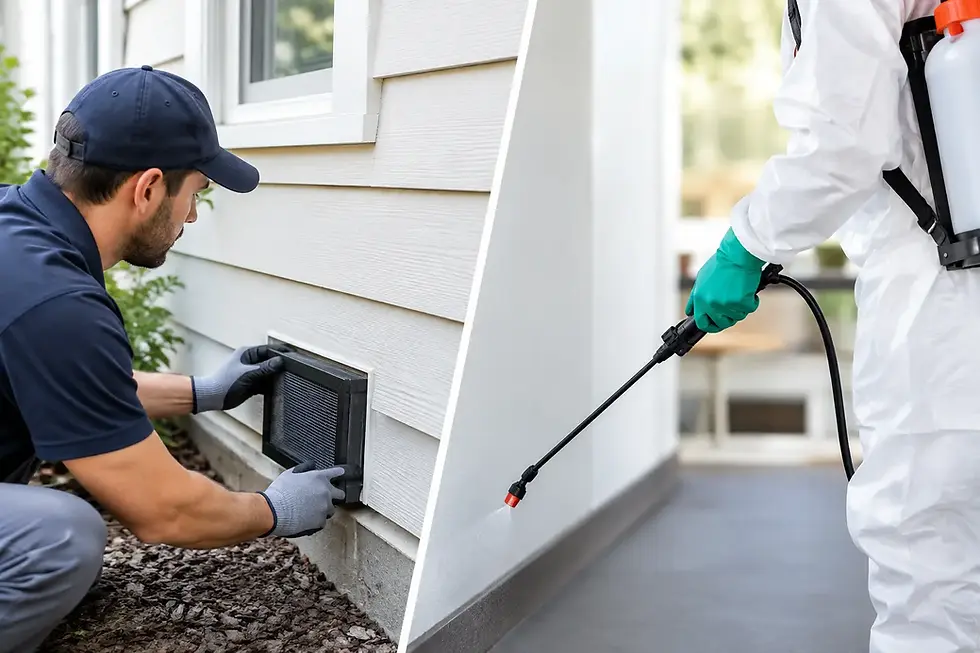
Once the nest is inactive and any treatment period has passed, inspect the surrounding structure for entry points. Repair damaged soffits, replace loose fascia boards, fit suitable insect mesh to vents and seal small gaps around pipes or cable routes where appropriate. Proofing should be completed only when you are confident that no live wasps remain inside the void.
Gardens benefit from regular checks of sheds, play equipment and rarely used storage areas during spring and early summer, when nests are still small. Keep bins closed, clear fallen fruit where possible and avoid leaving sweet drinks uncovered outdoors. These measures will not make a property completely wasp-free, but they can make it less attractive and help you spot activity before it becomes established.
If you have seen repeated wasp traffic, treat it as a property issue rather than a nuisance to ignore. Keeping your distance and acting early is the safest way to protect the people who use your space.


Comments